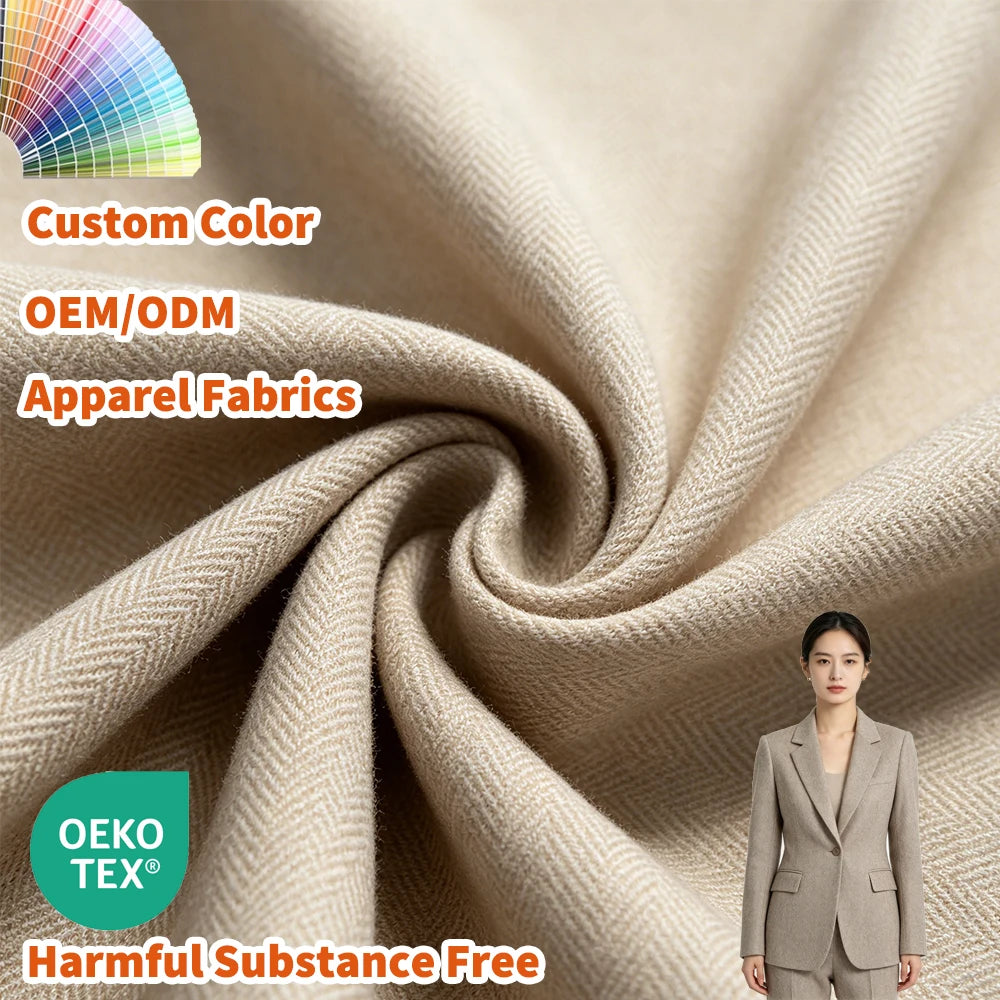
Faux chenille fabric is a chenille-look upholstery fabric designed to create a soft textured surface similar to chenille, while offering a more cost-effective option for sofa and furniture production.

Laminated & Composite Fabric
0Martindale
INDUSTRY PAIN POINTS↓
LAMINATION CHALLENGES IN FABRIC PROCESSING
Laminated composite fabrics demand precision at every stage. From achieving consistent peel strength to managing material compatibility, manufacturers and sourcing teams face critical technical and operational challenges that directly impact product quality, production timelines and cost efficiency. Understanding these pain points is essential for selecting the right lamination partner and process.
01
ADHESION FAILURE
INSUFFICIENT LAMINATION PEEL STRENGTH COMPROMISES DURABILITY
Weak peel strength between film and fabric layers leads to premature delamination in end-use applications. Whether in automotive interiors, protective apparel or technical textiles, inadequate adhesion causes product failure, customer returns and warranty claims. Manufacturers must validate peel strength across temperature ranges and environmental conditions—a costly and time-consuming process when working with unreliable suppliers.
02
QUALITY INCONSISTENCY
UNEVEN BONDING BETWEEN FILM AND FABRIC CREATES DEFECTS
Inconsistent lamination pressure, temperature control or coating application results in uneven bonding—creating weak zones, air pockets and surface irregularities. These defects are often invisible until the fabric reaches production or end-use, forcing costly rework, scrap and production delays. Quality control becomes increasingly difficult when lamination processes lack standardization and real-time monitoring.
03
PROCESS COMPLEXITY
SELECTING THE RIGHT LAMINATION PROCESS FOR DIFFERENT MATERIALS IS DIFFICULT
Different fabric types—polyester, nylon, cotton blends, technical textiles—require different lamination approaches: hot-melt, solvent-based, water-based or thermal bonding. Without expert guidance, buyers struggle to match the right process to their material specifications, resulting in poor adhesion, fabric damage or excessive costs. Switching between processes or suppliers adds complexity and risk to supply chain planning.
How Haida Solves These
Our laminated fabric solutions deliver precision bonding, uniform adhesion, and process-matched engineering for technical textiles. Each solution is engineered to eliminate delamination, ensure consistent performance under stress, and reduce production variability.

1070F#

6630L#

8500G
Technical Specifications Table
| Product | Full Name | Weight | Composition | Construction | Lamination |
|---|---|---|---|---|---|
| 1070F# |
1070F# Stretch 8-Wale Waffle Corn Velour Fabric |
360 GSM |
100% Polyester |
Warp Knitted |
Film Laminated |
| 6630L# |
6630L# Lightweight Hard-Shell 3-Layer Nylon Fabric |
84 GSM |
100% Nylon (polyester warp-knit backing) |
3-Layer Bonded |
Integrated 3-layer bonded |
| 8500G# |
8500G# Technical 3-Layer Mesh Warp-Knit Nylon Shell Fabric |
125 GSM |
100% Nylon (polyester mesh warp-knit backing) |
3-Layer Bonded / Mesh Warp-Knit |
Integrated 3-layer bonded |

Laminated Fabric
Fluorine-free strong water-repellent laminated fabric with 4-way stretch. 210GSM polyester-spandex base with TPU lamination delivers durable water repellency without PFAS chemicals. Ideal for outdoor jackets, shell pants, softshell outerwear and urban commuter apparel.

3 Layer Laminated Fabric
Lightweight 3-layer polyester floating yarn laminated fabric at just 84GSM. The bonded tri-layer structure provides wind and water resistance while keeping the garment packable and breathable. High cost-performance ratio makes it the preferred choice for outdoor jackets, down jacket shells, padded coats and sun-protective apparel.

Composite Fabric
3-layer check yarn composite fabric with a distinctive fine grid surface texture. 125GSM 100% nylon construction delivers structured hand feel, waterproof performance and excellent durability. Ultra-high cost performance for outdoor jackets, hard-shell outerwear, padded coats and functional apparel sourcing projects.

QUALITY ASSURANCE
TECHNICAL CERTIFICATES
Every fabric we produce is backed by internationally recognized certifications — verified for safety, compliance, and consistent quality.

Precision Lamination. Certified Quality. Factory-Direct Supply.
Why Choose Haida
With over 23 years in warp-knit fabric manufacturing, Haida delivers laminated composite fabrics built for performance and consistency. From film-laminated velour (1070F#, 360 GSM) to lightweight 3-layer bonded nylon shell (6630L#, 84 GSM) and technical mesh warp-knit constructions (8500G#, 125 GSM), every product meets OEKO-TEX STANDARD 100 — with GRS certification available. Factory-direct FOB from Shanghai/Ningbo, MOQ from 1,000 m, Pantone color matching supported, and lead time 25–30 days. Reliable bonding, uniform adhesion, and the right lamination process for every substrate.
OEM/ODM Laminated & Composite Fabric Development Process
From sample analysis to bulk production, we provide customized upholstery fabric solutions based on fabric type, color, texture, backing and finishing requirements.
01
Requirement Confirmation
Confirm fabric application, target market, fabric type, color, handfeel, GSM, width, backing, finishing process and order quantity.
02
Sample / Artwork / Specification Review
Review the customer’s physical sample, reference image, design artwork or technical specification to evaluate fabric structure and production feasibility.
03
Fabric & Process Recommendation
Recommend suitable fabric base and finishing options, such as Holland velvet, FDY velboa, Mosha velvet, suede, brushed knit, printing, bronzing, embossing, glue embossing or lamination.
04
Color & Sample Development
Develop lab dips, fabric samples or process samples according to the confirmed requirement for customer approval.
05
Backing & Finishing Confirmation
Confirm backing fabric, lamination method, pile height, width allowance, shrinkage and final surface effect before bulk production.
06
Bulk Production & Quality Control
Arrange greige fabric production, dyeing, printing, embossing, bronzing, lamination, cutting, inspection and packing according to approved sample.
07
Shipment & Follow-up
Arrange shipment documents, delivery and follow-up for repeat orders, new colors or further product development.
FAQ
What is faux chenille fabric?
Is cheap chenille fabric suitable for sofa manufacturing?
What is the difference between faux chenille fabric and real chenille fabric?
Is affordable sofa fabric durable enough for daily use?
Can faux chenille fabric be customized in color or backing?
Is faux chenille fabric available by the yard?
Can you provide samples before bulk order?
What information should I provide for quotation?

Ready to Source with Confidence?
GET STARTED
Send us your specs or sample request — our team replies within 24 hours with pricing, lead time, and technical support.
other solution

Base Fabric & Material Guide

Functional Performance Fabric

UV Protection Quick-Dry Sun Protection Fabric