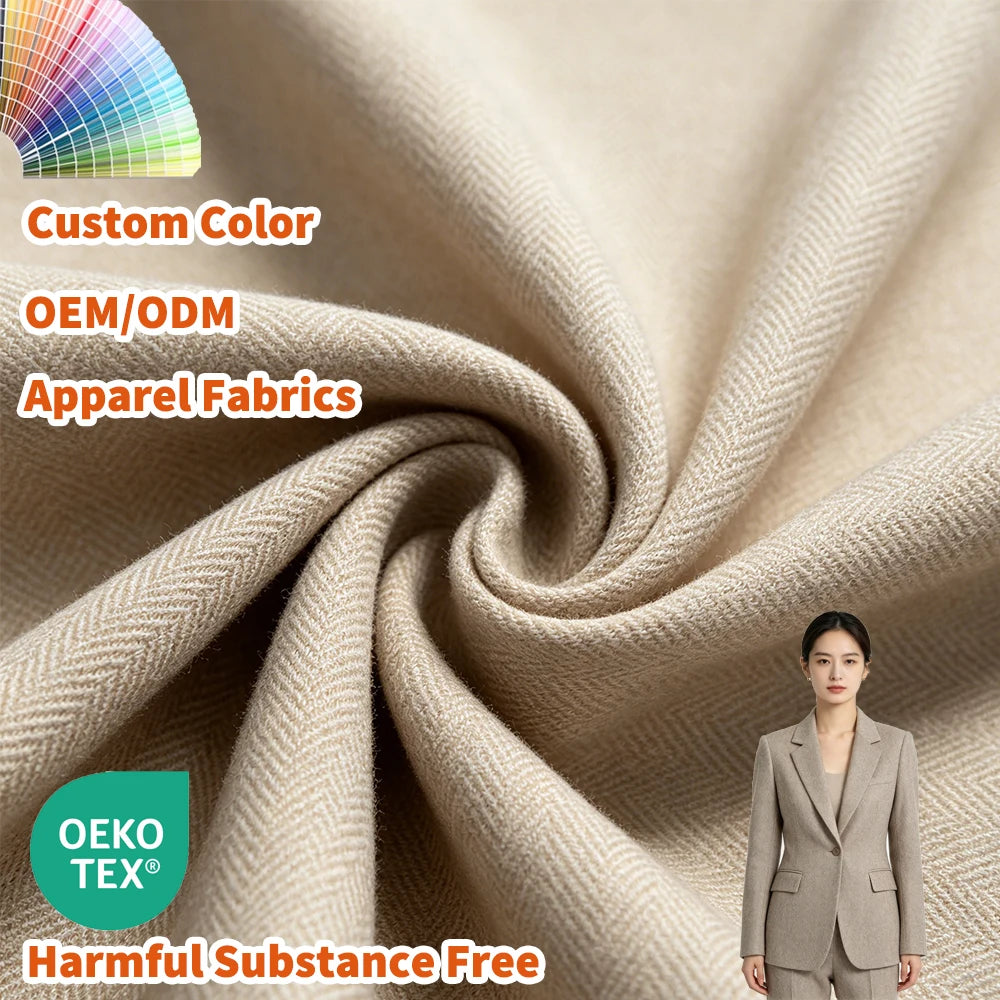
Corduroy and Ribbed Sofa Fabric Buying Notes

A ribbed sofa look should start as a factory packet, not a one-line request for corduroy price. Write the seat or back use, the wale look you want, how the stripe must run on the cover, and whether the cloth needs a fleece back or a coat. Then open Haida's corduroy collection and send those fields through Request With WhatsApp.


What should a sofa factory lock first?
Factories lose weeks when the first message says only corduroy. Ribbed sofa fabric is a family of faces. Fine wales read as a soft vertical texture. Wide wales read as a fashion stripe. A velour-rib can look plush in a photo and then crush on a seat front. The cutting room still has to decide whether the rib runs down the cushion or across the arm. None of that is a price field. It is the difference between a sample that sews and a sample that fights the drawing.
Put the application in the first sentence: residential sofa, recliner, dining chair, or a mixed lineup. Then say where the cloth sits. A seat front sees body weight. A tight back sees less crush and more pattern. If the same quality must cover both, say that. Do not hide a recliner seat inside a decorative pillow label.
| Buying field | Why the factory needs it | Safe first input |
|---|---|---|
| Application | Sets crush, stain, and seam questions | Sofa seat, sofa back, chair, or cushion |
| Wale look | Controls stripe scale on the finished cover | Photo, hanger, or fine versus wide note |
| Rib direction | Changes marker layout and leftover | Vertical on seat, or follow the tech pack |
| Backing or coat | Changes sewability and stretch | None, fleece, or PE coat if already specified |
| Width target | Controls yield on wide sofa panels | Known usable width or mark unknown |
| Sample quantity | Sets courier and cutting effort | Swatch, hanger, or one-seat trial |
How do wales and backing change the sofa cover?
Wales are the ribs the customer sees from the sofa. They are not a marketing adjective. A fine wale can hide a seam. A wide wale can make a mismatched arm look like a fault even when the sew line is straight. Ask the mill to keep one wale direction on the hanger and to mark the face. If two hangers arrive with opposite rib direction, the cutting room will argue before the first cover is cut.
Backing decides how the ribbed face behaves under the sewing foot. An unbacked cloth can feel closer to apparel and can walk at a long seam. A fleece back can add body and hide a coarse knit reverse. A PE coat can change stain behavior and can also change how a needle punches the rib. None of those sentences is a durability rating. They are reasons to name the back on the RFQ instead of discovering it on the first rejected cover.
Read the base-material questions on base fabric material guide before you treat GSM as the only number that matters. Weight without backing and wale look will not tell a cutter how the roll will land on a seat panel. If the factory already has a running velvet or chenille quality, say how the new ribbed line must differ in handfeel. Difference is easier for a mill to sample than a vague request for better corduroy.
When is ribbed corduroy the wrong first pick?
Ribbed corduroy is a poor first pick when the sofa line only needs a flat, quiet fabric for a dark leather-look collection. In that case a smooth velvet or a plain knit may waste fewer markers. Ribbed cloth is the right first pick when the lineup needs visible texture that still cuts as an upholstery roll, not as apparel wale fabric leftover from a garment program.
It is also the wrong first pick when the only reference is a fashion jacket. Apparel corduroy and sofa corduroy share a name and can fail different tests. Write sofa, not jacket, unless the mill is being asked for a dual-use program. Dual-use programs should say so early because backing and width questions change.
Do not invent a site-wide wale count. If a previous order used a numbered wale, attach that hanger. If the designer only has a retail photo, say the photo is direction and ask the mill to propose the closest running face.
What does Request With WhatsApp need from the factory?
Explore corduroy upholstery collection for fabric options and inquiry details. Use that URL when the factory is still choosing inside a running family.
Send your requirements through Request With WhatsApp. Confirm four items before you send: sofa application, wale look or photo, backing if known, and sample quantity. Add composition and GSM only when the tech pack already states them. If they are unknown, write unknown. A guessed GSM creates a second loop.
Expect a scoping reply, not an instant bulk price. Confirm MOQ and lead time for the selected fabric and order. If the purchasing manager requires a number before sampling, ask for that number on the same WhatsApp thread and treat the answer as category-specific until it is written on a quotation. Request the relevant certificate or test report for the selected fabric and intended use.
Send the packet through Request With WhatsApp when application, wale look, and sample quantity are filled or honestly marked unknown.